Thursday, 23, July, 2026

Difference Between Plasma, LCD And LED: Choose Which Is Best For You
Difference Between Plasma, LCD And LED: Choose Which Is Best For You

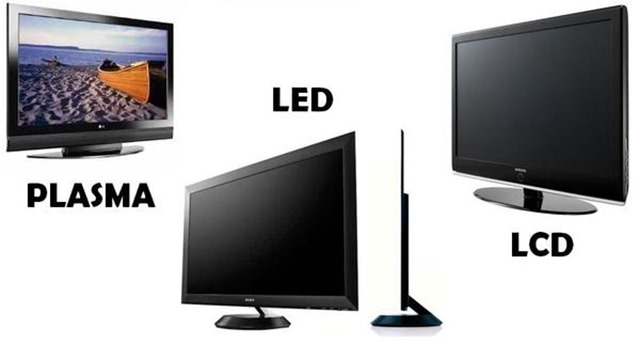
The influx of technology has its mark on almost every aspect of our lives. From our professional lives at work to the way we spend our leisure time at home. We can even see people sitting in a restaurant waiting for the meal to arrive with a Smartphone in their hands. This flood of technology is also continuously upgrading the conventional appliances that were being used by us since decades. Television is one of them; and we can see an uninterrupted up-gradation in its technology in recent years. Now, households want to possess the best screen in their TV lounge to enjoy to the fullest. The conventional TV screens were replaced by Plasma TVs, LCDs, LEDs and now by Smart LEDs geared with internet connectivity, smart sharing, a front camera and what-not. The race is still not over yet and 3D LEDs have added another dimension to this technology war. We can see all the big electronics brands like Sony, Samsung, LG, Haier, Panasonic, Toshiba etc. trying to take the lead in this competition. Choosing which TV technology to buy is a difficult decision as each has their own set of pros and cons. So, let us make a quick analysis of their working mechanism and have a quick look at the pros and cons. Working Mechanisms: Plasma TVs Plasma display works by illuminating small, coloured fluorescent lights to create an image. It has a matrix of small gas cells packed in two sheets of glass. Every cell acts as a tiny fluorescent tube that releases UV light that hits red, green and blue spots and create image. LCD TVs LCD TVs work on the mechanism of Liquid Crystal Display. The panel is made of an array of tiny, coloured liquid crystals. It works when light from behind the screen shines on these crystals and the amount of light emitted by each of them is controlled by signals. Picture is built through this method. LED TVs LED TVs work on the mechanism if Light Emitting Diodes. The mechanism is almost the same as other TVs but instead of lighting it up by back light (like LCDs) it is replaced by light emitting diodes as a source of light. LEDs commonly have 2 types Edge lit (LEDs lamps placed at the edges of the screen) Back lit (LED lamps on the back of screen) Comparison: Let us now have a comparison of all three types for a better understanding. Criteria PLASMA LCD LED Thickness Minimum 1.2 inches Minimum 1 inch Less than 1 inch Power Consumption More than LCD Less than Plasma Least Life expectancy approx 20,000 – 60,000 hours 50,000 – 100,000 hours Around 100,000 hours Price Moderate Moderate High Contrast Ratio High Medium Very High Typ. Brightness 1000++ cd/m2 700 cd/m2 600 cd/m2 Burn-in Yes No+ No Viewing Angle 170deg 160+deg 160+deg Fully Digital Display Yes Yes Yes Refresh Rate < 8ms < 12ms < 6ms Max Resolution 1080p 1080p 1080p* Weight (lbs) Medium Light Lightest Set Depth 3 – 7” 2”+ <1-2” Screen Size < 103” 82” <10” Power Consumption Medium Low Very Low Pakistan Local Market In Pakistan we can buy latest technologies in pin pack and used conditions from company’s outlets or various other online market platforms.
Share this Page: Facebook Twitter LinkedIn WhatsApp

Please Share Your Comments:

Khanewal Dot Com Logo

Khanewal.com.pk is a comprehensive local portal offering a blend of cultural insights, public service information, and entertainment resources for the Khanewal district.

Copyright © 2026. All Rights Reserved By:Khanewal.com.pk

Website Powered and Coded by: Soft Dot Com, Basic Templete Designed by HTML Codex

